
What is an API connection and when does a small business actually need one?
Two programs handing information to each other without a person copying it across. Here is when that earns its place and when it does not.
- An API connection is a way for two software programs to hand information to each other automatically, without a person copying it across.
- Most small businesses do not need one. The case for a build starts when the same copy-paste job keeps repeating.
- A build should be scoped and quoted before anything starts, and the questions to ask a vendor are straightforward.
- The first step with texas AI lab is a free 25-minute fit call on Zoom that looks at two repeating tasks and picks a first result worth having.
It is Friday afternoon and the same job is on the desk again. A customer filled out a form on the website, and someone on the team opens the second program, the one where the work actually lives, and copies the name over, then the phone number, then the address. It happens every week, sometimes every day, and it has happened long enough that nobody thinks about it anymore. Then a vendor says the words that stop the conversation: an API would fix that. Nobody explains what that means, what it would cost, or whether the business even needs one.
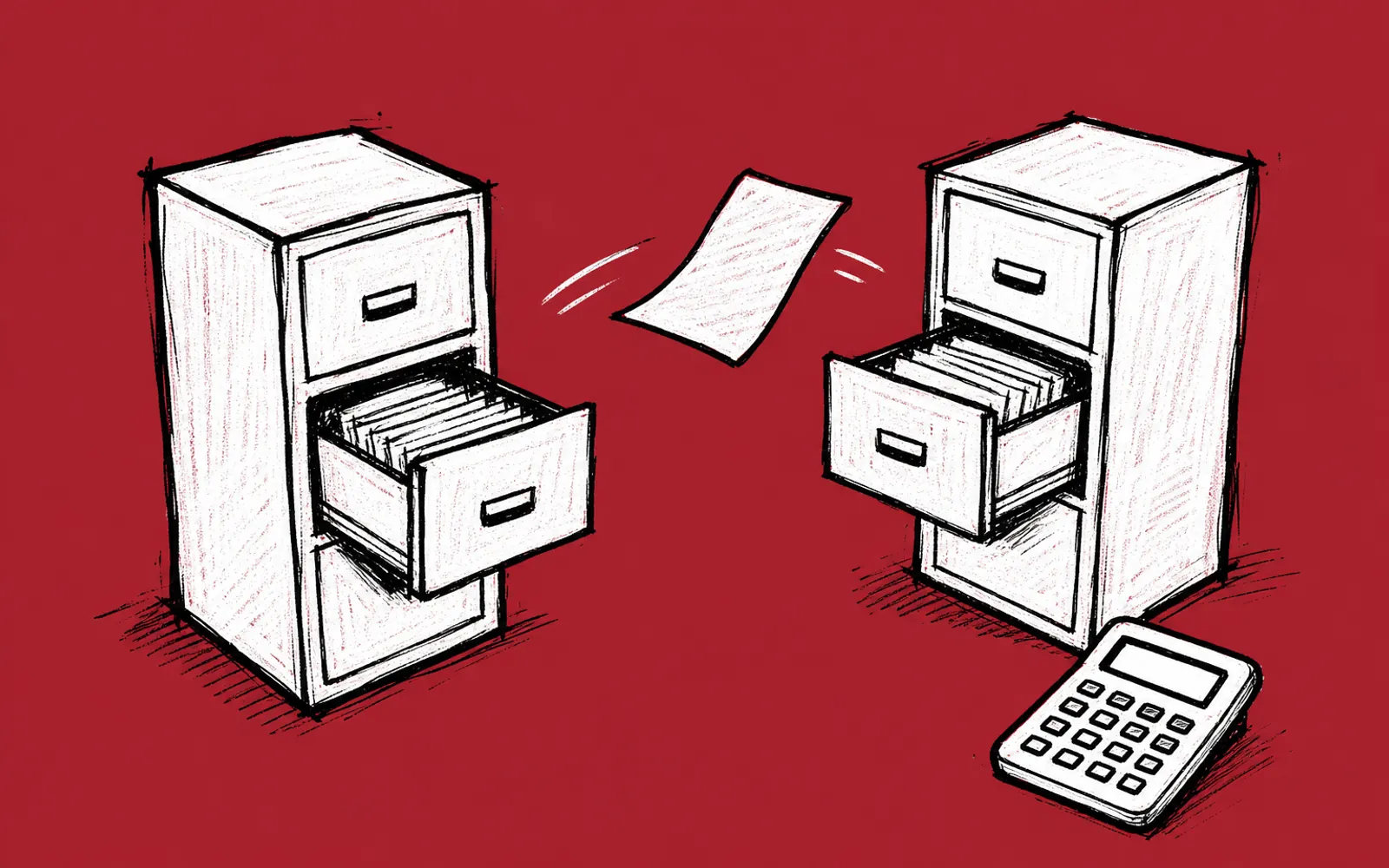
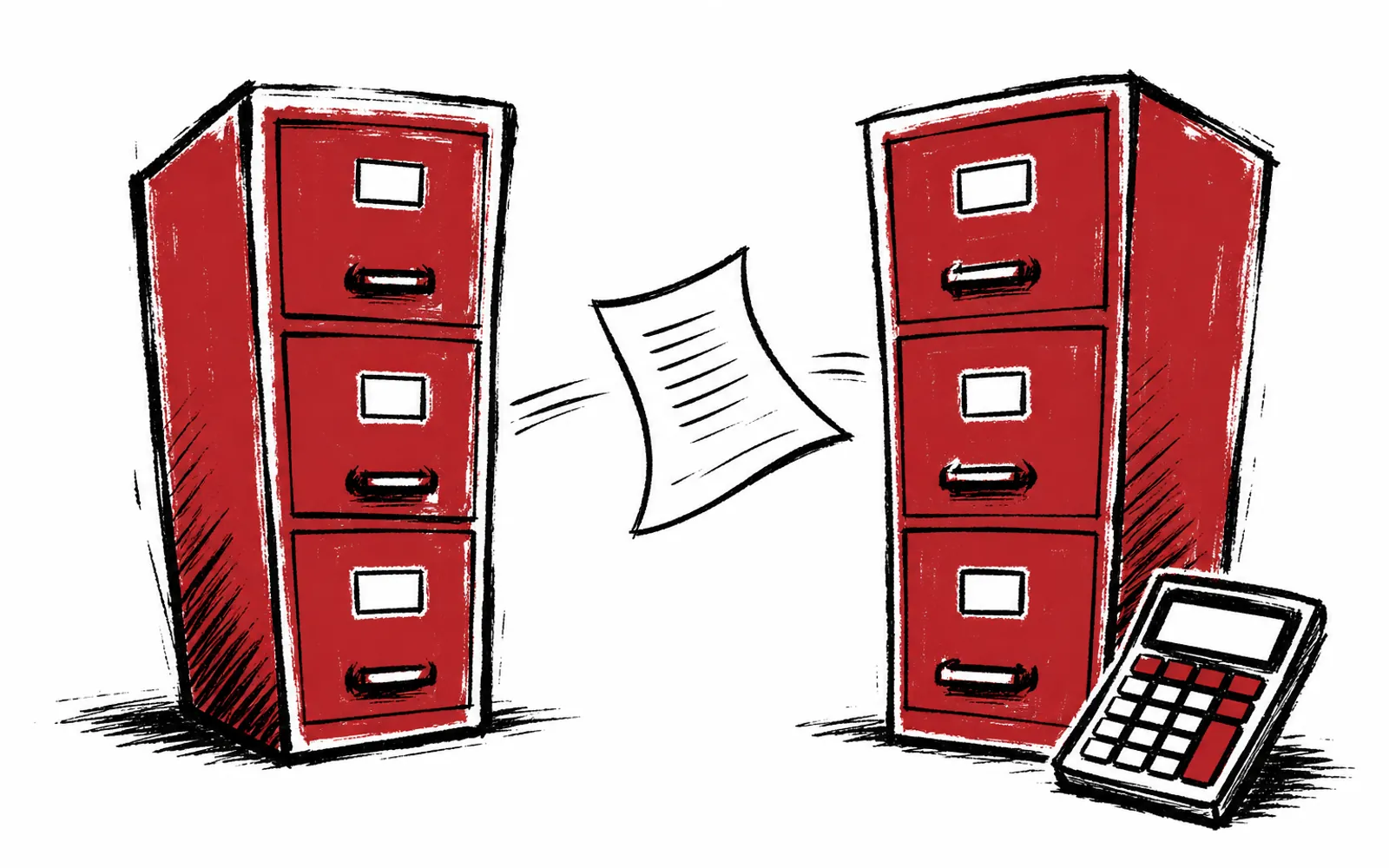
Here is the whole idea in one sentence. An API connection is a way for two software programs to hand information to each other automatically, without a person copying it across. API stands for application programming interface, which in plain words means the set of rules one program follows when it lets another program ask it for information. When two programs connect through those rules, the customer details from the form land in the second program on their own, and the Friday copy-paste job disappears.
How to tell whether you need one
The honest answer for most small businesses is no. Not because the technology does not work, but because a build has to earn its place. A connection makes sense when the same job keeps repeating: the same fields, moved from the same source into the same destination, by hand, week after week. It also makes sense when mistakes in that manual copying cause real problems, like a wrong phone number in the system that dials customers. And it makes sense when the job eats enough hours that getting them back means something.
A one-time transfer does not justify a build. A task someone does twice a year is faster to do by hand than to scope, quote, and wire together. A process that is still changing shape month to month is also a poor candidate, because the connection would need rebuilding each time the process moves. The moment to ask for a quote is when the job is settled, repeating, and eating real time.
What a build actually involves
A quoted build starts with scoping. Someone sits down with the owner, looks at where the information lives today, where it needs to go, and how often it moves. That turns into a written scope and a quote before any work starts. This part matters more than the technology. If a vendor offers to start connecting things before writing down what will be built and what it costs, that is a reason to slow down.
The build itself is usually less dramatic than the word integration suggests. One program gets permission to send information to the other, the fields are matched up so a name lands in the name field and a phone number lands in the phone number field, and then someone tests the flow with real entries before the manual job is retired. The details vary with the tools involved, and the specific systems that connect this way depend entirely on which programs the business uses.
Questions to ask before you sign off
- 01What exactly will be built?
Get the scope in writing: which program, which fields, how often it runs, and what it will not do.
- 02What does it cost, before and after?
Ask for the full quote, plus any monthly costs the connection itself carries, in the same document.
- 03Who owns the connection?
Ask whether the work lives in your own accounts and what happens to it if you stop working with the vendor.
- 04What happens when the work changes?
Ask how a changed process is handled, and whether changes are quoted in advance or billed as they come.
- 05How do we test it?
Agree on a test with real entries before the manual job goes away, so nothing is lost in the switch.
The last two questions deserve special weight. Ownership decides whether the connection survives the relationship with the vendor, and a change process decides whether the build stays useful as the business grows. A vendor with straight answers to both is one worth a longer conversation.
Scoping the bigger builds
texas AI lab, based in Williamson County in the Greater Austin area, scopes and quotes bigger builds such as API connections, CRM integrations, hosted agents, and dashboards separately before anything starts. Nothing gets built before the owner has seen the scope and the price. The first step is a free 25-minute fit call on Zoom that looks at two tasks repeating in the owner's week and picks a first result worth having, and the team replies within one business day. Sometimes that call ends with the honest answer that no build is needed yet, and a manual routine works fine for now.
Questions people ask
Does every business need an API connection?
How do I know the moment is right?
Who owns the connection once it is built?
What happens if the work changes?
What is the first step with texas AI lab?

TJ founded texas AI lab. Our team runs its own companies on AI and has built three software products with it. We test the new tools so Texas owners don't have to.